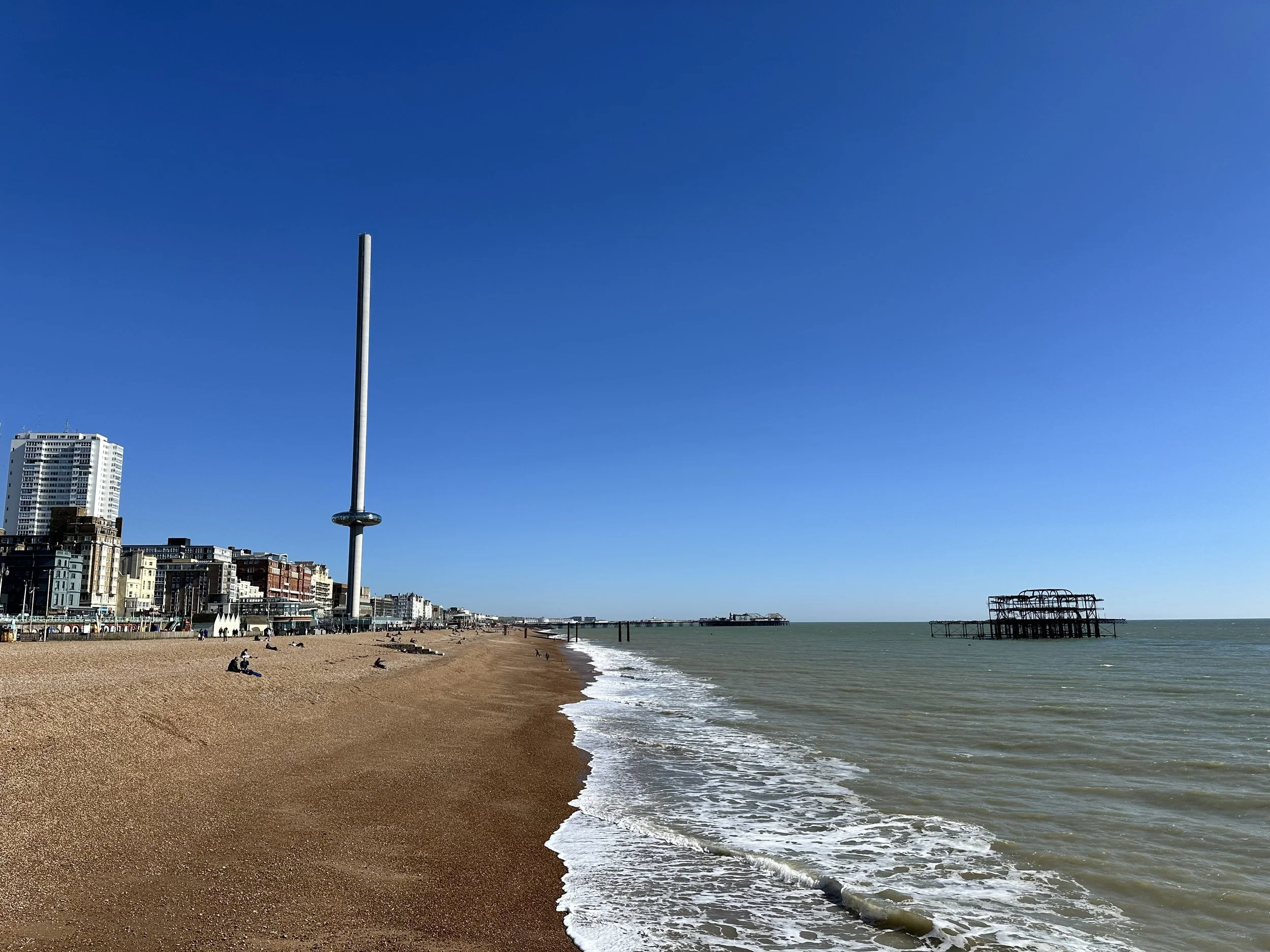
Brighton & Hove
The Ultimate Travel Guide & Navigation Blueprint
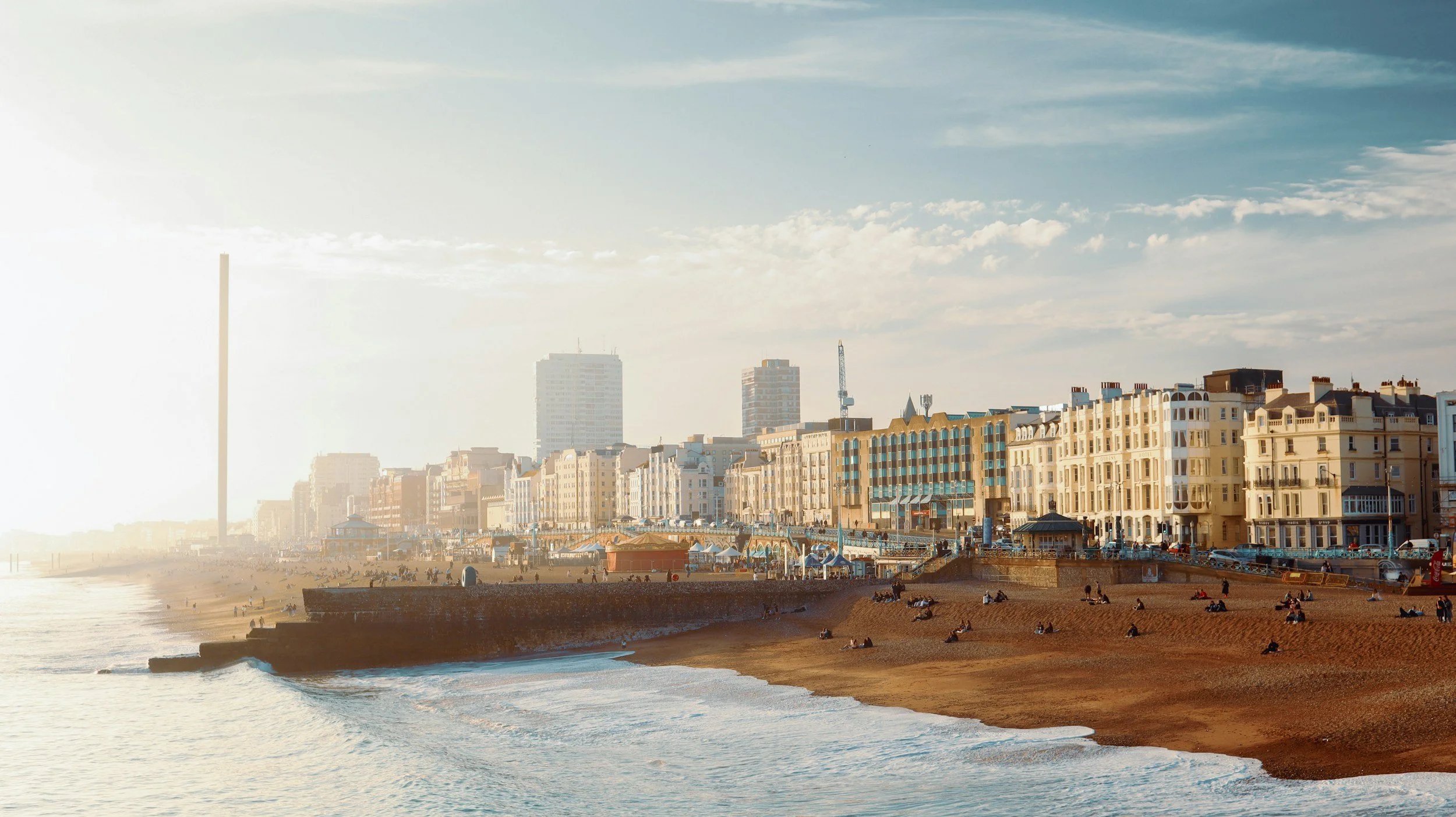
When we first arrived in Brighton from Austin, TX in 2022, we didn’t know much about the city. Our knowledge was limited to: it was a beach town, the “unofficial” LGBTQIA+ capital, it was an hour south of London on the train, and there was some sort of pier.
The second we arrived, we were immediately shocked at the incredible history, the vibrant art scene, the delicious food, and the nightlife this city has to offer. We also quickly realized the difference between a warm, sandy Texas beach and the cold-watered pebble beach Brighton has. Brighton has long been a top destination for British and international tourists, making it one of the UK's most visited cities. Whether you are visiting from another country, visiting from London for a day trip, or planning a long weekend, this city has everything to make you a believer in its “magic by the sea.”
Travel is a series of design choices. Most travelers suffer from "Cognitive Friction"—the underlying stress of not knowing if they are making the right decision at the ticket kiosk, the bus stop, or the restaurant host stand, especially for international travelers. Even though the UK and US speak the same language, almost everything in the UK is just a little bit different than what you are used to at home. Here at Decided Travel Studio, we exist to engineer that friction out of your journey.
This is not a generic "Top 10" list. This is a high-utility, digital navigational blueprint for Brighton & Hove in 2026. We have overthought and lived the logistics, eaten at the restaurants, explored the things to do, partied the nightlife, and traveled the transit routes so you can simply exist and enjoy your holiday (vacation). Whether you are navigating the red tape of an international arrival or just escaping the London grind for 48 hours, this is your decided guide to the city where everyone is truly welcomed.
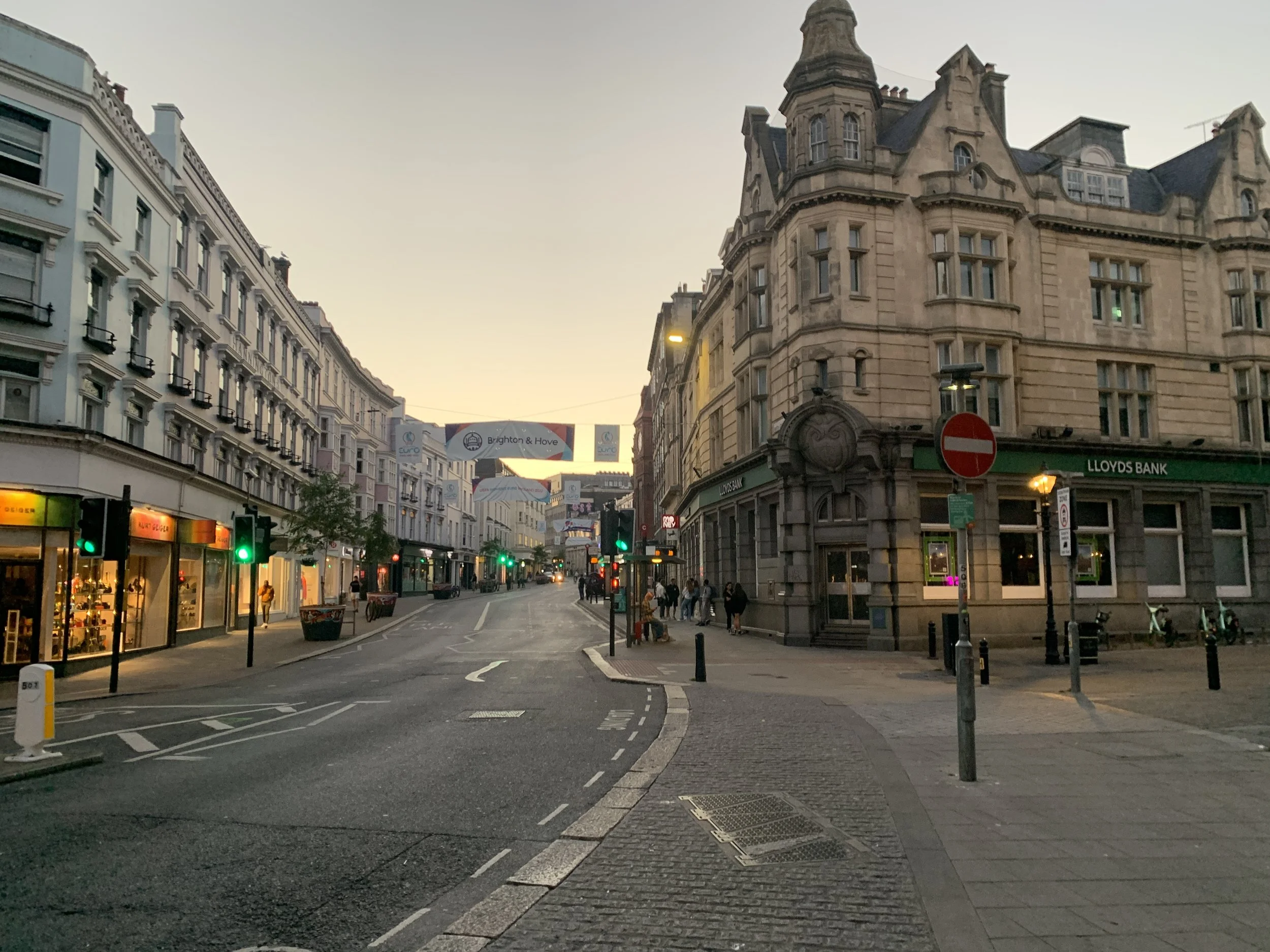

The Decided Download: Brighton & Hove Essentials
Getting There: Only 1 hour from London Victoria or London Bridge by train.
Navigation: Very walkable. The city centre is roughly 1 square mile.
Hove, Actually: Head West for a quieter, more refined vibe and the famous colorful beach huts.
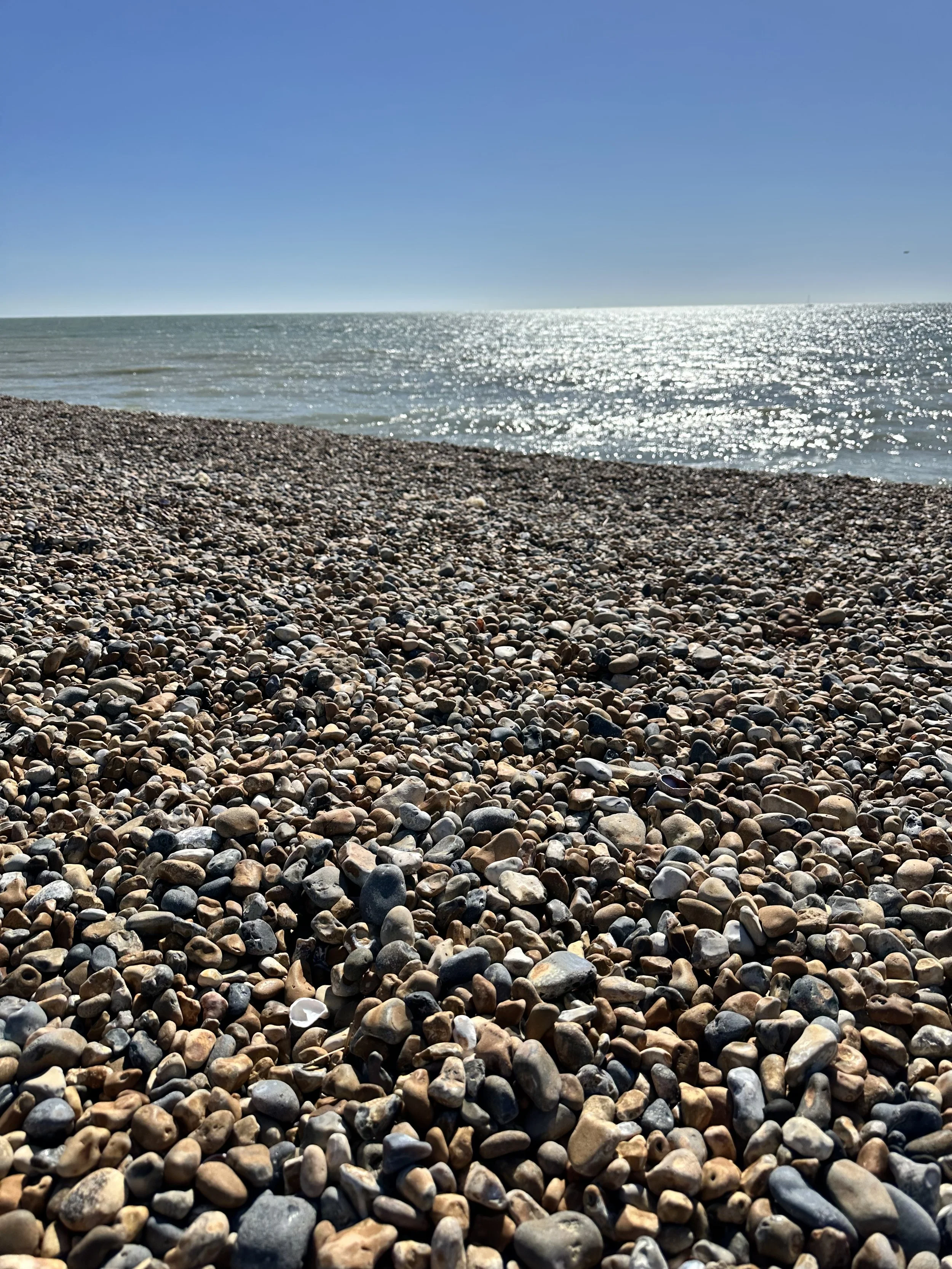
The Beach: It’s pebbles! Wear sturdy shoes; flip-flops are a struggle on the stones.
Top Tip: Visit in May to experience the Brighton Fringe and the best local energy before the summer crowds peak.
Navigate This Guide
Everything below is structured to help you make decisions faster and enjoy your time.
Airplane Arrivals: The Airport Blueprint
London Connection: Non-Airport Arrivals
Navigating the City: The Decision of Movement
Iconic Foundations: Architecture & Landmarks
Hove Actually: Putting Hove in Brighton & Hove
2026 Festival Calendar: Strategic Planning
Logistics: Parking, Accessibility, & The "Time Tax"
Tried-and-Tested Recommendations: Food & Drink

Airplane Arrivals: The Airport Blueprint
Whether you are landing at a major international hub or simply hopping down from London for the day, your first "design choice" is the transit to the coast. We categorize these by "Time Tax"—the hidden cost of a cheap workaround that eats into your actual vacation time.
London Gatwick (LGW): The "Easy Button"
Distance: 28 miles
Time: 30 minutes
Reliability: 9/10
Studio Note: For a step-by-step walkthrough of navigating the terminals to the platform, see our Gatwick Airport (LGW) Arrival Strategy.
London Luton (LTN): The "Thameslink Direct"
Distance: 84 miles
Mode:Thameslink Train (Direct)
Time: 2 hours
Reliability: 8/10
Studio Note: Check our London Luton Airport guide for advice on the DART shuttle transfer (coming soon).
London Heathrow (LHR): The "Strategic Coach"
Distance: 67 miles
Time: 2 hours (Traffic dependent)
Reliability: 7/10
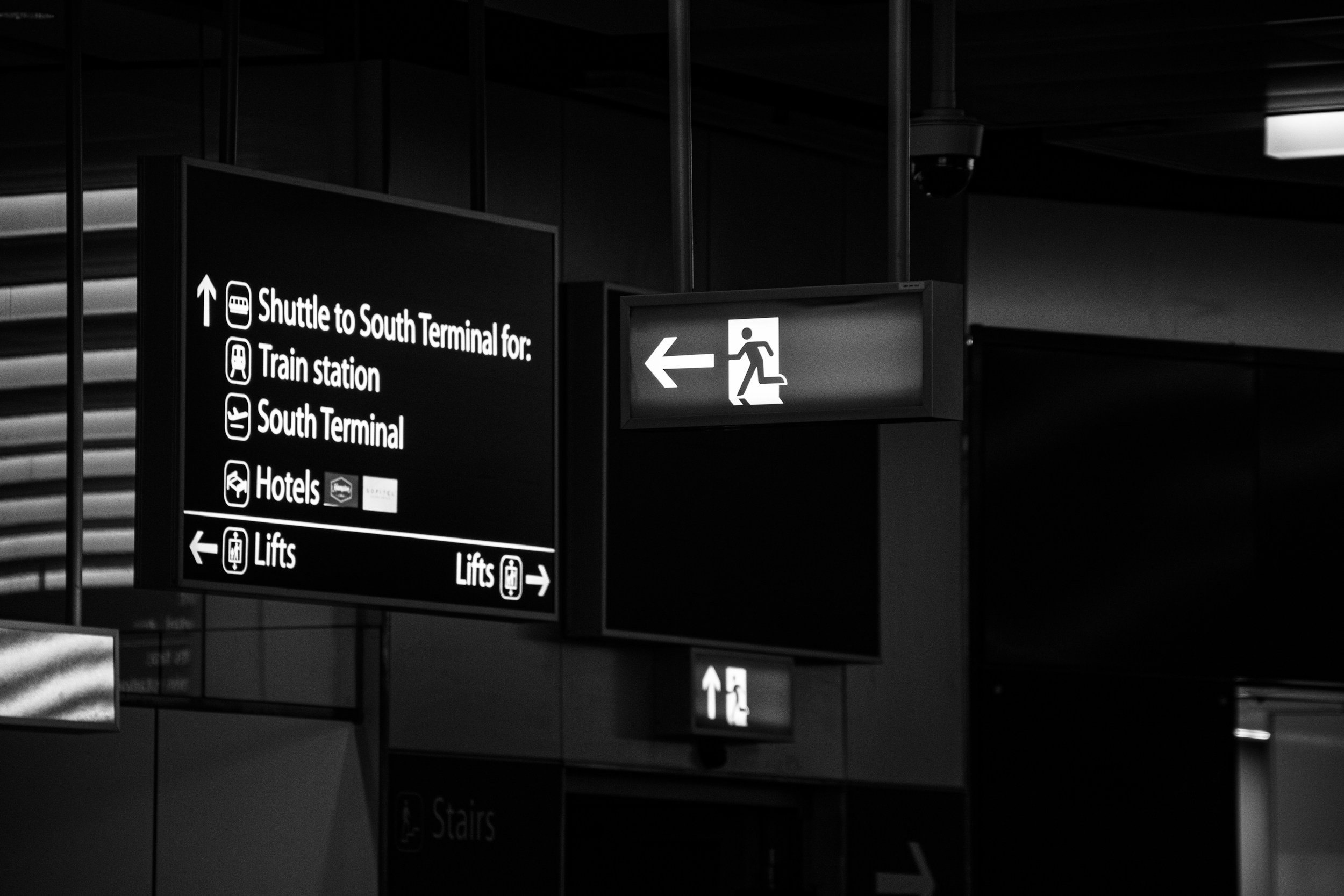
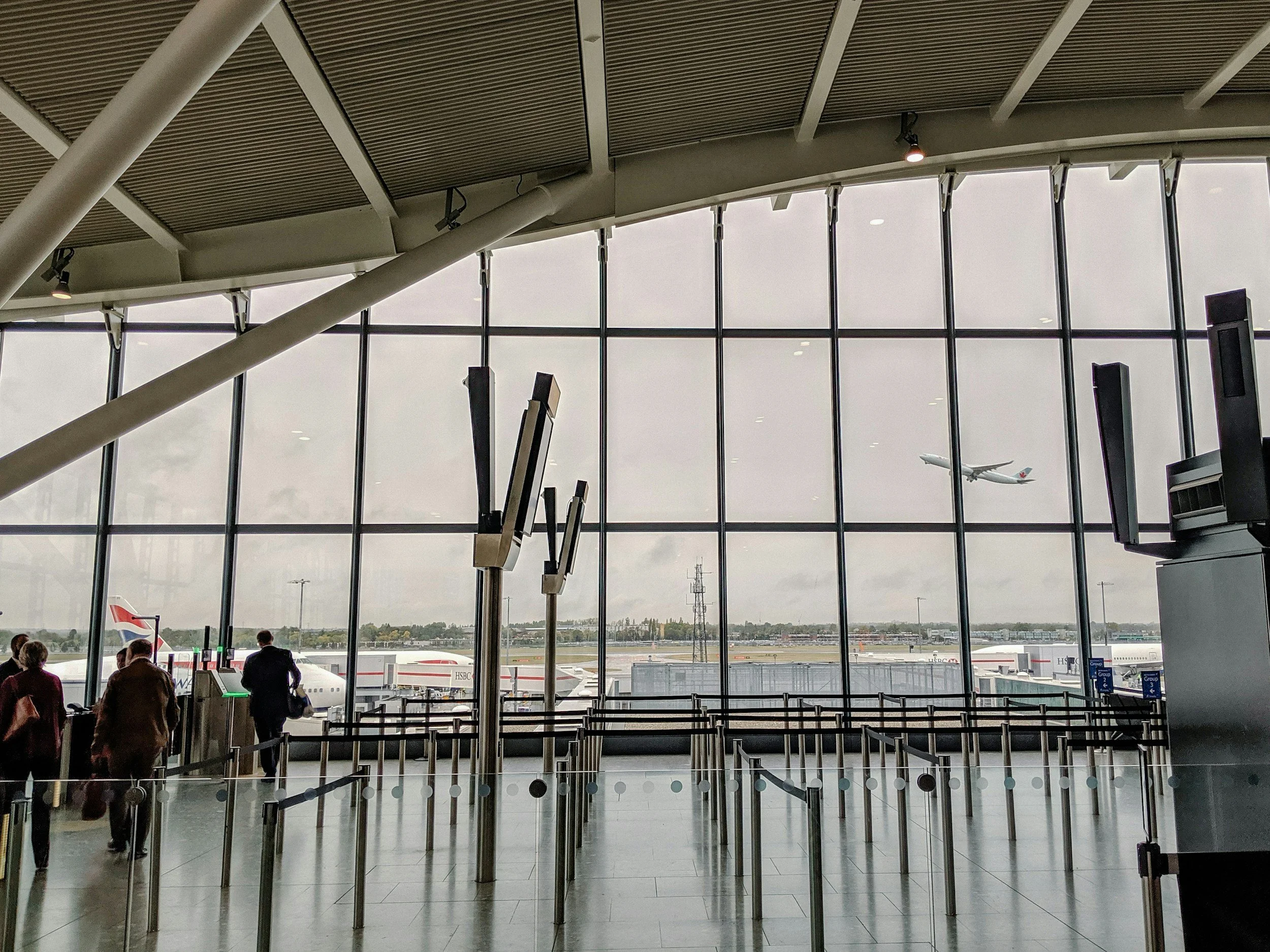
Studio Note: Avoid the "Time Tax" of heading into Central London just to come back out. See our Heathrow Airport (LHR) Arrival Strategy.
London City (LCY) & London Stansted (STN): The "Outliers"
Distance: 55–100+ miles
Mode: DLR/Tube to London Bridge (LCY) or National Express (STN)
Time: 2–3+ hours
Reliability: 5/10
Studio Note: See our combined guide for the most efficient routes to minimize delays (coming soon).
Arrival Blueprint: Getting to the Coast
Whether you are landing at a major international hub or simply hopping down from London for the day, your first "design choice" is the transit to the coast. We categorize these by "Time Tax"—the hidden cost of a cheap workaround that eats into your actual vacation time.
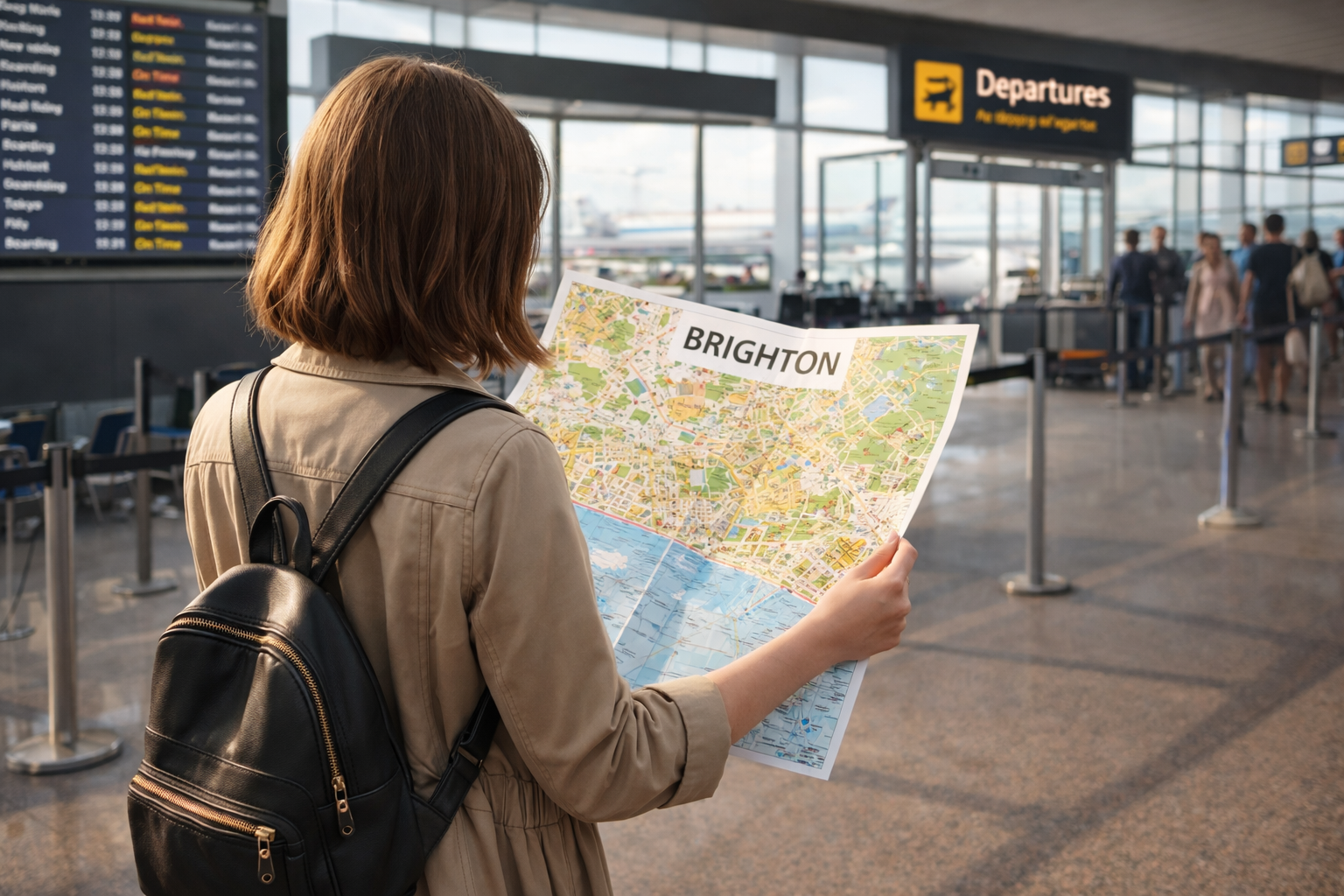
London Connection: Non-Airport Arrivals
If you are already in London, you have two primary "hubs" to choose from. Picking the wrong one can add 30 minutes of "Cognitive Friction" to your morning.
London Victoria (The Classic)
Generally served by Southern Rail or The Gatwick Express. These trains are frequent but can be older and more prone to overcrowding during peak tourist hours, especially departing from London when Gatwick is the first major stop.
Choose this if you are staying in West London.
London Bridge (The Pro Move)
Served by Thameslink. These trains are generally newer, have significantly more luggage space (crucial for international arrivals), and—importantly—the toilets are more reliable and power sockets are more prevalent. It’s a small mechanical upgrade that improves the "Customer Experience" of your arrival.
Choose this if you are in the City or East London.
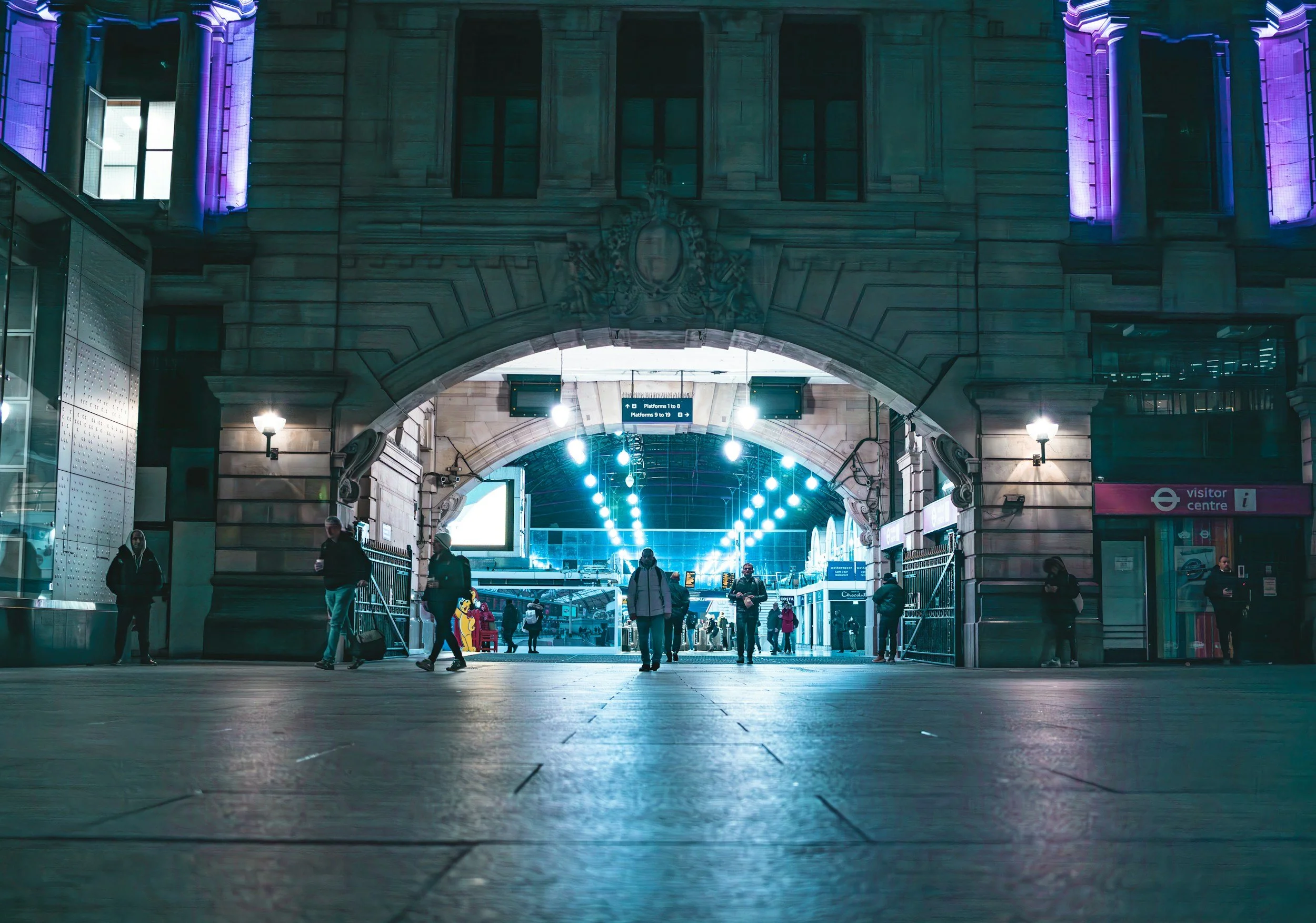
A "Strike" Reality Check
The UK rail network is prone to industrial action. At Decided Travel Studio, we call this the "Logistical Variable."
Decided Insight: Check the National Rail website or Trainline app 48 hours before traveling. If a strike is announced, do not wait. Book a National Express coach immediately. They sell out within hours of a strike announcement, and a £15 bus ride is better than a £150 Uber.
Navigating the City: The Decision of Movement
Once you arrive at Brighton Station, the city is yours. Brighton is incredibly walkable, but its topography is deceptive. You will likely walk downhill to the beach and realize the weariness of walking back uphill to the station at the end of the day.
Digital Survival Kit
Download these four apps before you step off the train to avoid standing in the rain questioning your life choices:
Trainline: For all rail travel.
Brighton & Hove Buses: For live tracking and "M-Tickets."
Beryl (BTN BikeShare): To unlock the blue e-bikes for those steep hills.
Uber or Streamline Taxis (202020 Taxis): While Uber is very active, Streamline (01273 202020) is often more reliable during high-volume festival weekends.
Walking & The "Seagull Tax"
Walking is the best way to see the city’s famous building art, historic landmarks, and Regency architecture. However, Brighton has a unique local hazard: the Seagull. Probably the most famous, or infamous, residents in the area, the seagulls make it known that this is their city and their home. Even if you live here, you live in their town.
Fair Warning - these birds are tactical geniuses. They can sense a sausage roll or a basket of chips from a mile away and will swoop from behind to take food directly from your hand. Trust us, we have seen this firsthand.
The Strategy: Eat with your back to a wall or under an umbrella. Never walk and eat on the seafront unless you want to donate your lunch to the local wildlife.
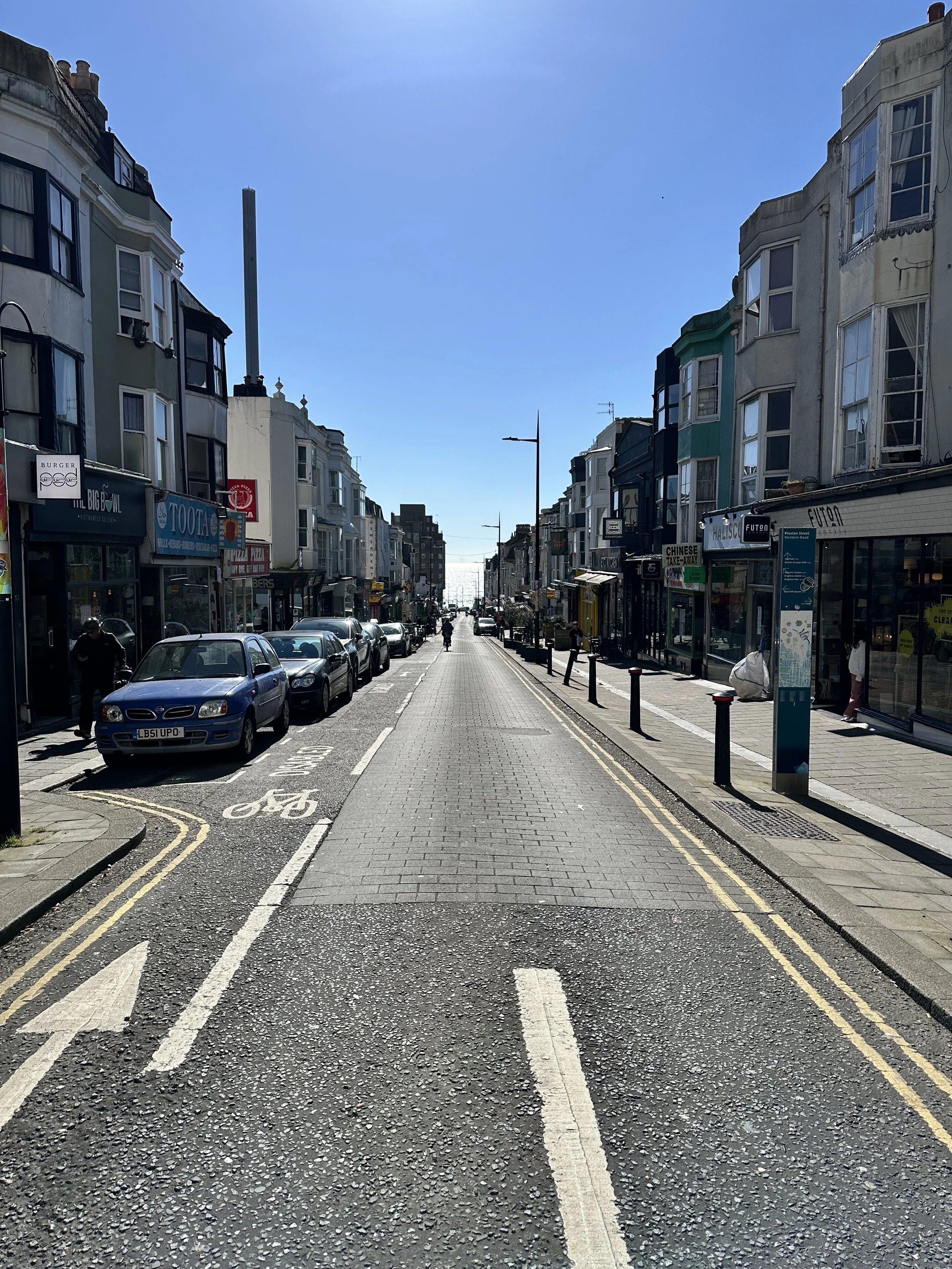
The "Tap On, Tap Off" Protocol
Brighton & Hove buses are award-winning for a reason. They utilize a frictionless payment system that removes the need to talk to a driver or figure out zones.
How it works: Use your contactless card or phone. Tap the reader when you enter, and—this is critical—tap the reader again when you exit.
Why it works: The system automatically calculates the cheapest fare for your journey.
Be aware: If you forget to tap off, you will be charged the maximum route fare (usually the end of the line).
Studio Note - 2026 Fares: Through the end of 2026, a national £3 fare cap is in place for single bus journeys.
Iconic Foundations: Architecture & Landmarks
Brighton’s identity is built on a series of historical pivots, moving from a Saxon farm (Beorhthelmes tun) to a Regency playground, and finally, a sanctuary for counter-culture.
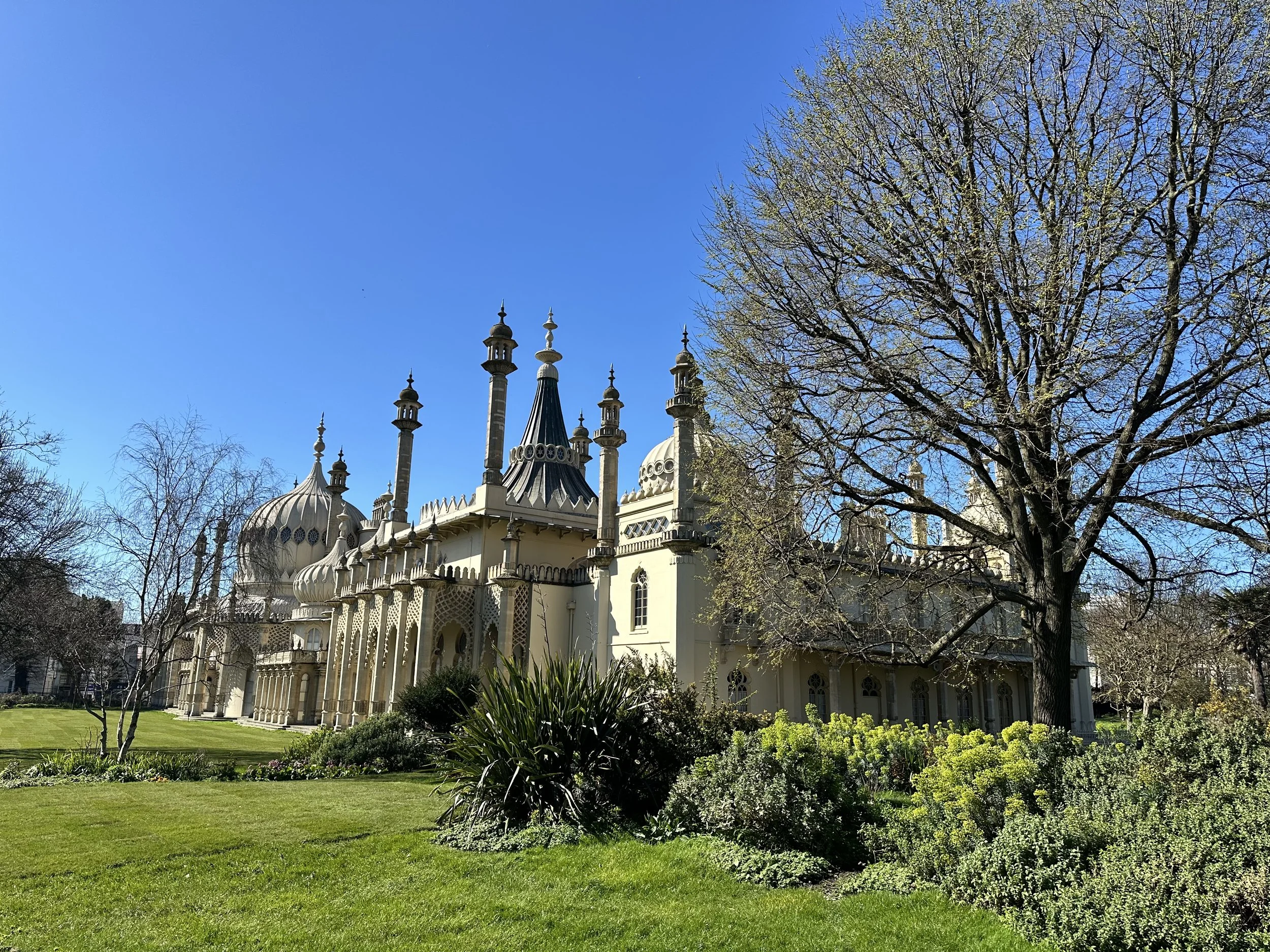
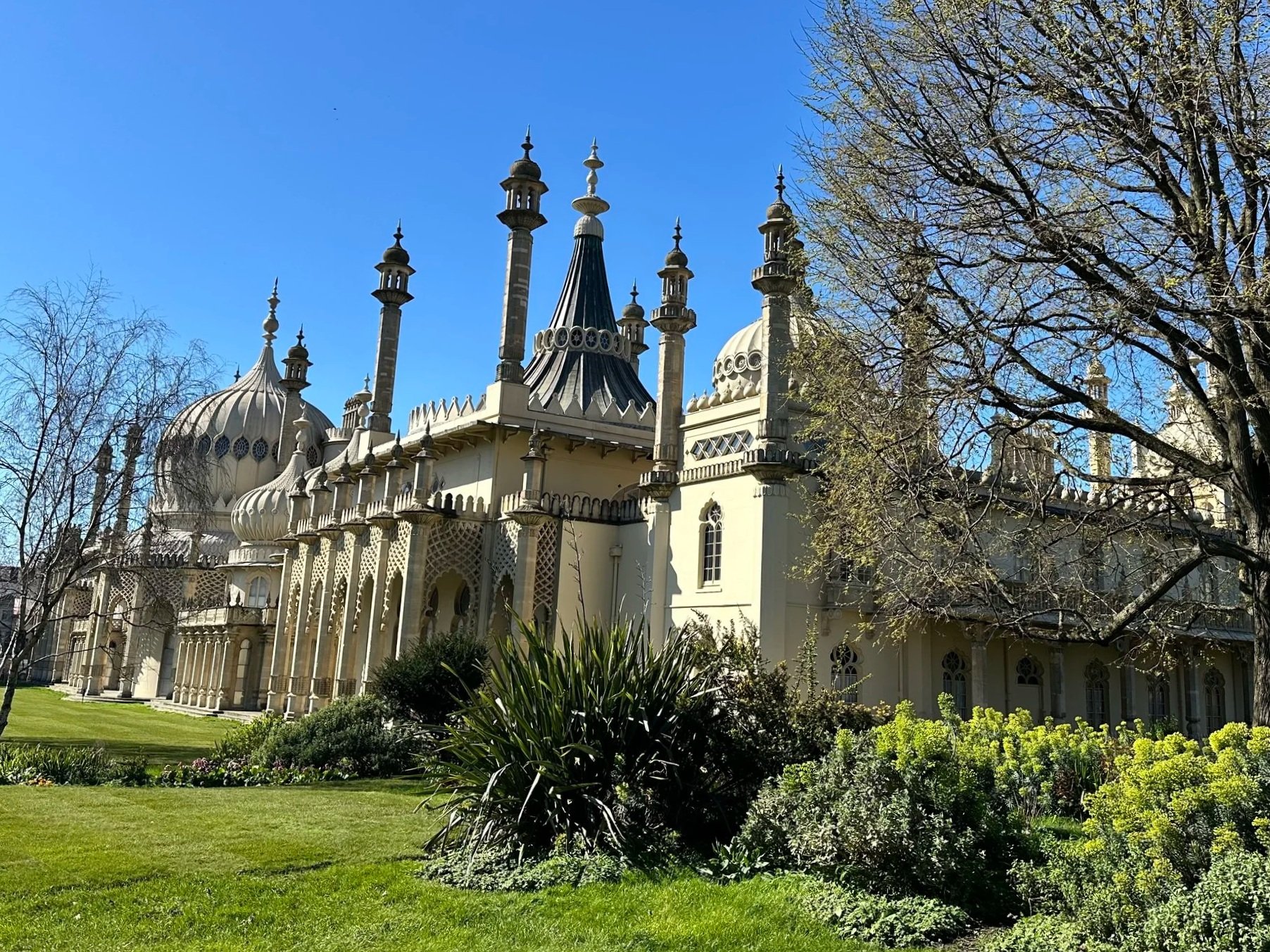
The Royal Pavilion: A Regency Anomaly
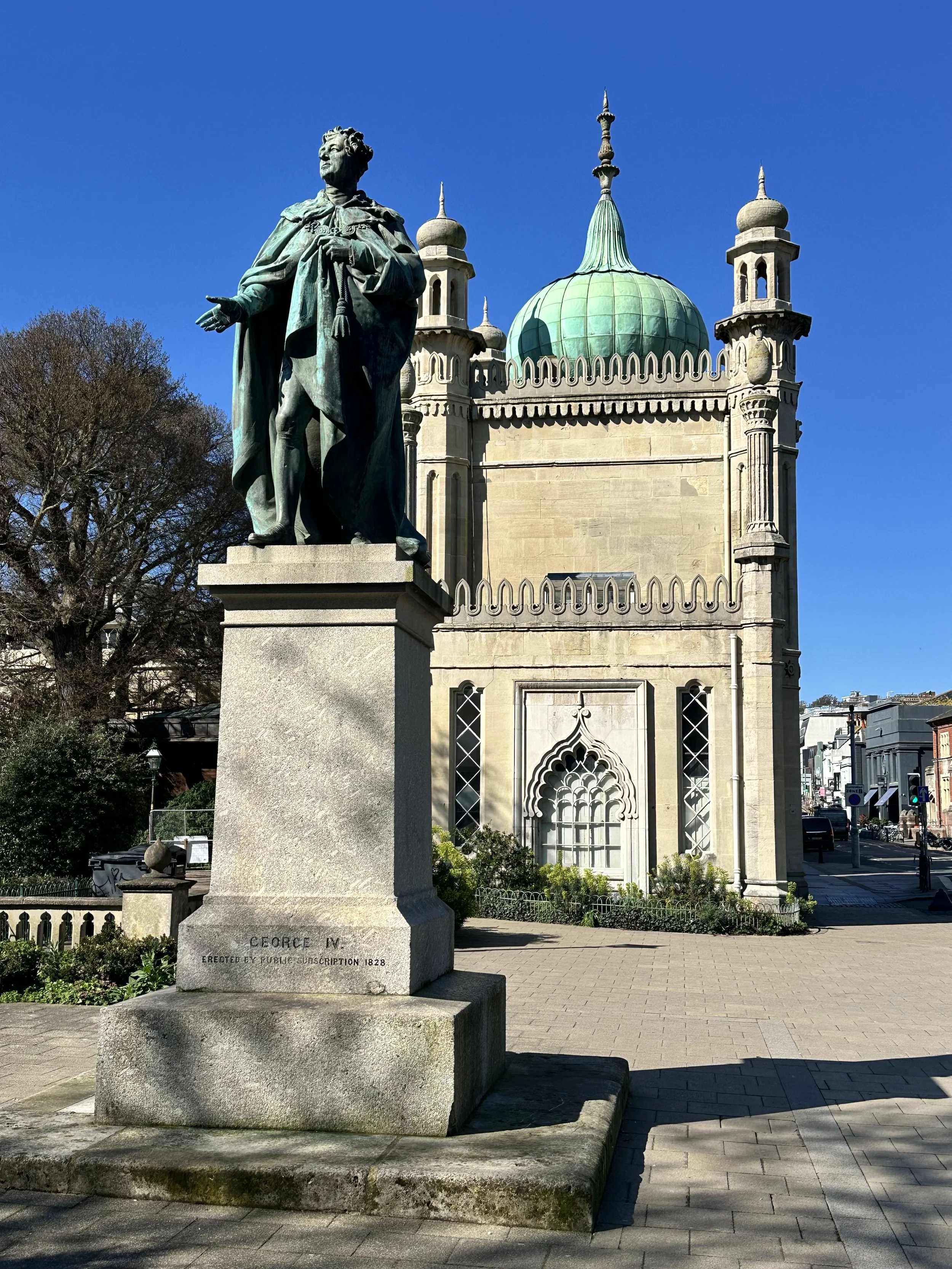
Built by King George IV (the Prince Regent at the time), this building is the architectural "North Star" of the city.
The building is famous for its Indo-Saracenic exterior—an Indian-inspired style full of domes and minarets—contrasted with a lavish "Chinoiserie" interior, which is a grand style inspired by Chinese art and motifs.
It was a "pleasure palace" designed for excess. Today, it stands as a reminder that Brighton has always been a place where "normal" rules don't apply.
Decided Insight: The gardens are free and offer the best place to sit on the grass for a picnic or needed rest, but if you want to understand the incredible history of Brighton’s royal obsession, the interior tour is a "must."
Shopping Divide: The Lanes vs. North Laine
Many tourists use these terms interchangeably. They are incorrect. While only being separated by one main street (North Street), these two areas offer distinct and different shopping experiences.
The Lanes (Historic): These are the narrow, winding 16th-century alleys near the seafront. Think cobblestones, high-end antique jewelry, and hidden Victorian pubs like The Cricketers.
North Laine (Bohemian): This is a vibrant grid of 400+ independent shops located between the station and the Pavilion. This is the heart of "Eclectic Brighton"—vintage clothing, rare vinyl, independent coffee roasters, and street art.
Seafront & The "Two Piers"
Brighton Palace Pier: A nostalgic, loud, and unapologetically British landmark. Expect arcade games, fairground rides, and the smell of fresh donuts. There is a small maintenance fee (approx. £1) to enter during weekends and peak times in the summer.
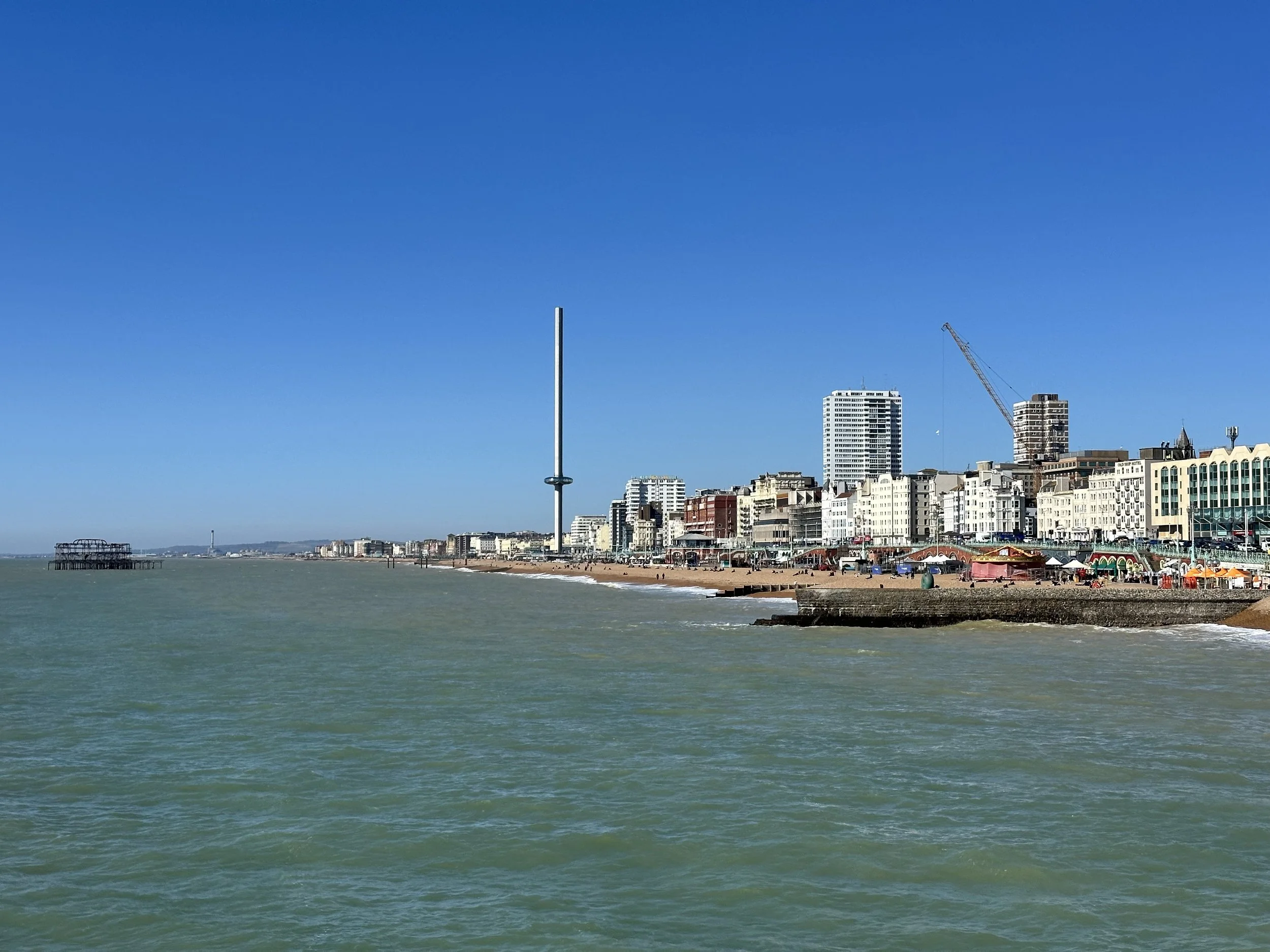
West Pier Ruins: The skeletal remains of the original 1866 pier. After a fire in 2003, it became the most photographed spot on the coast. It is a hauntingly beautiful contrast to the bright lights of the Palace Pier.
Brighton i360: A 450-foot vertical observation tower.
Decided Insight: Only go up on a clear day. Use the Nyetimber Sky Bar on board to sample local Sussex sparkling wine. The "pod" offers a 360-degree view that reaches all the way to the Isle of Wight on a clear day.
Hove Actually: Putting Hove in Brighton & Hove
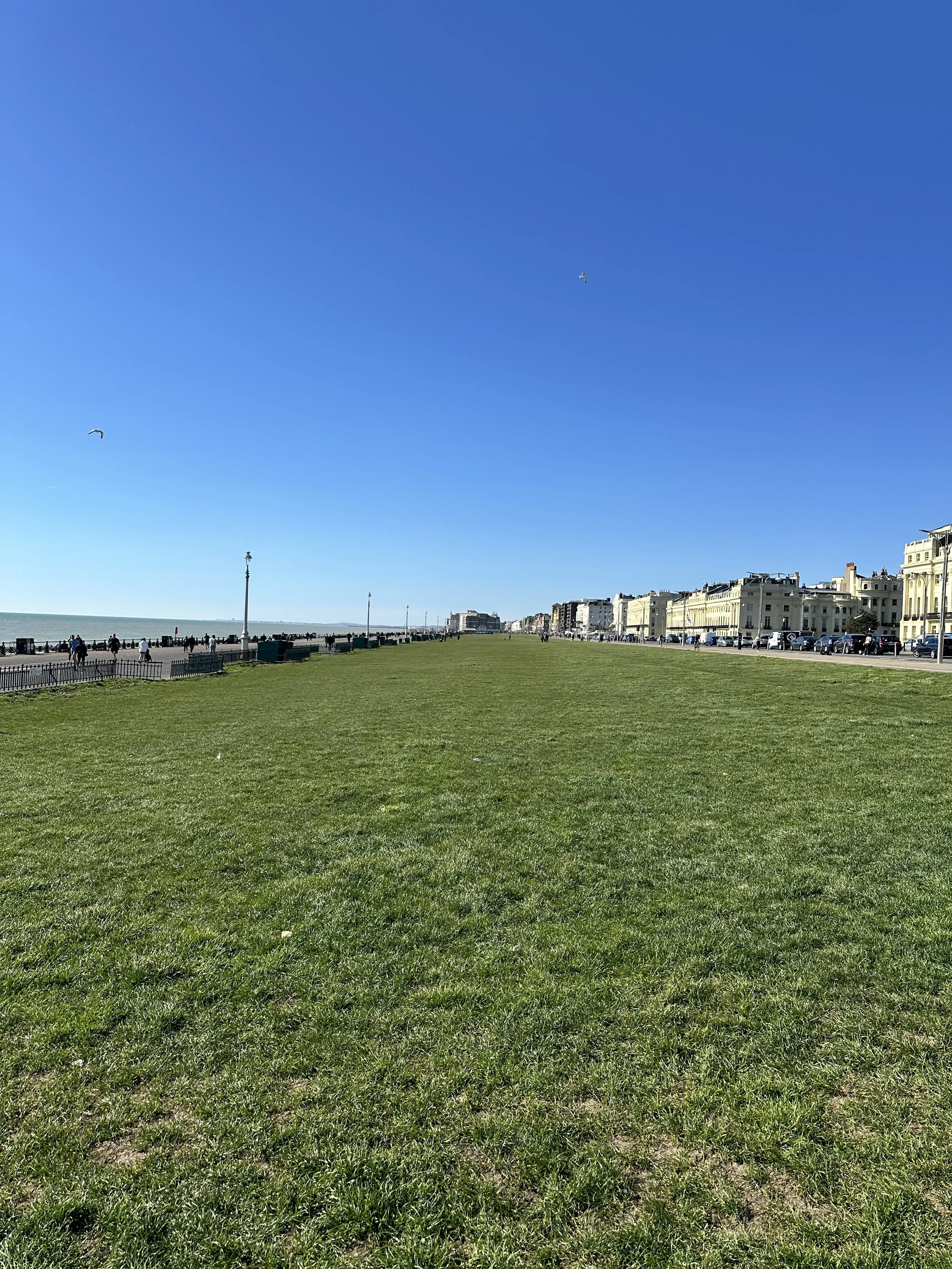
While the world knows the name "Brighton," if you mistake a Hove resident's neighborhood for Brighton, they will often firmly correct you with "Hove, actually." Since the two towns merged in 1997, they have formed a single city, but they maintain very different personalities. If Brighton is the eccentric, loud party, Hove is the sophisticated, relaxed dinner guest. Understanding the "Hove side" is key to lowering your vacation’s overall "Cognitive Friction."
Hove Lawns: The Green Escape
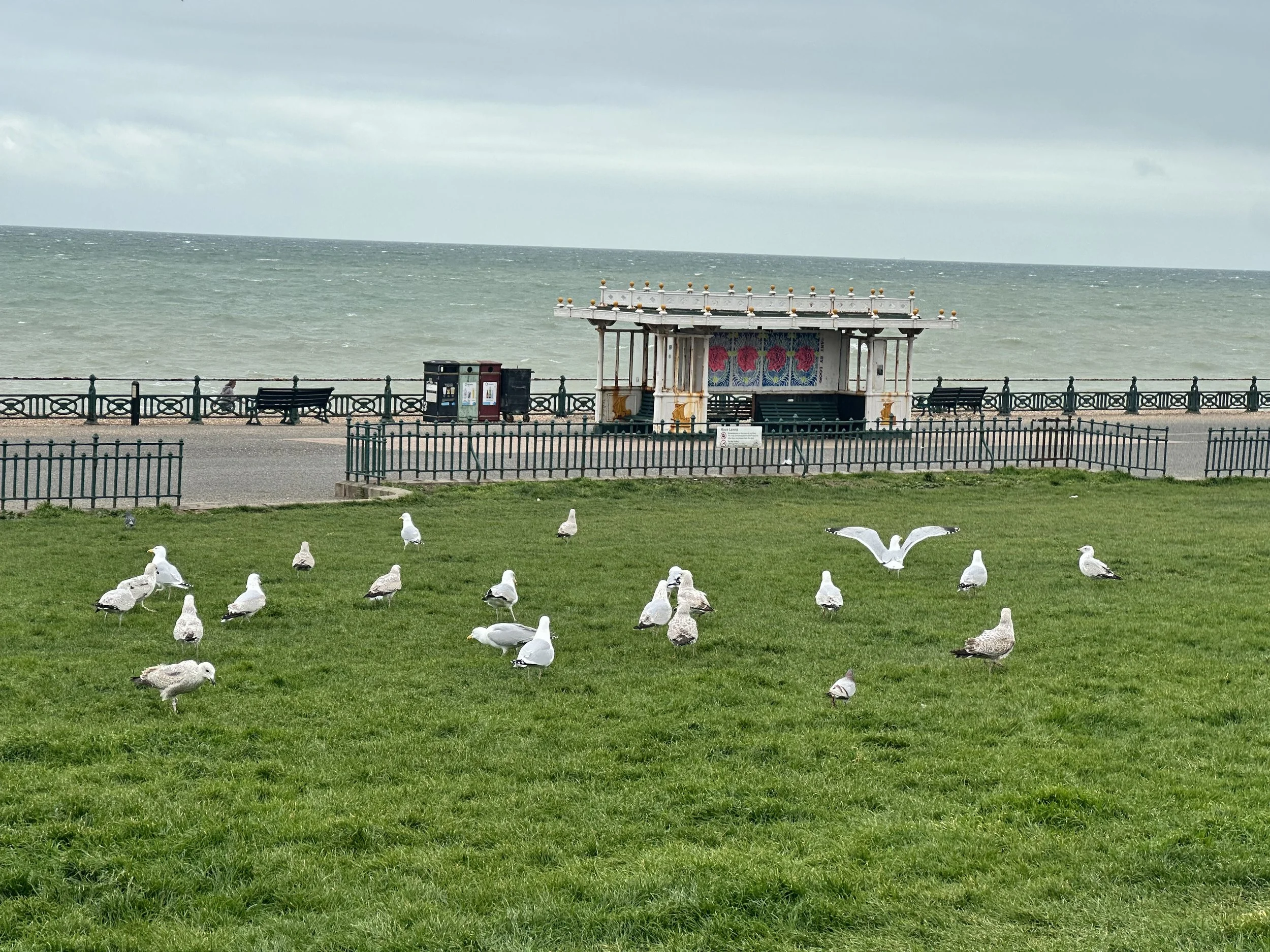
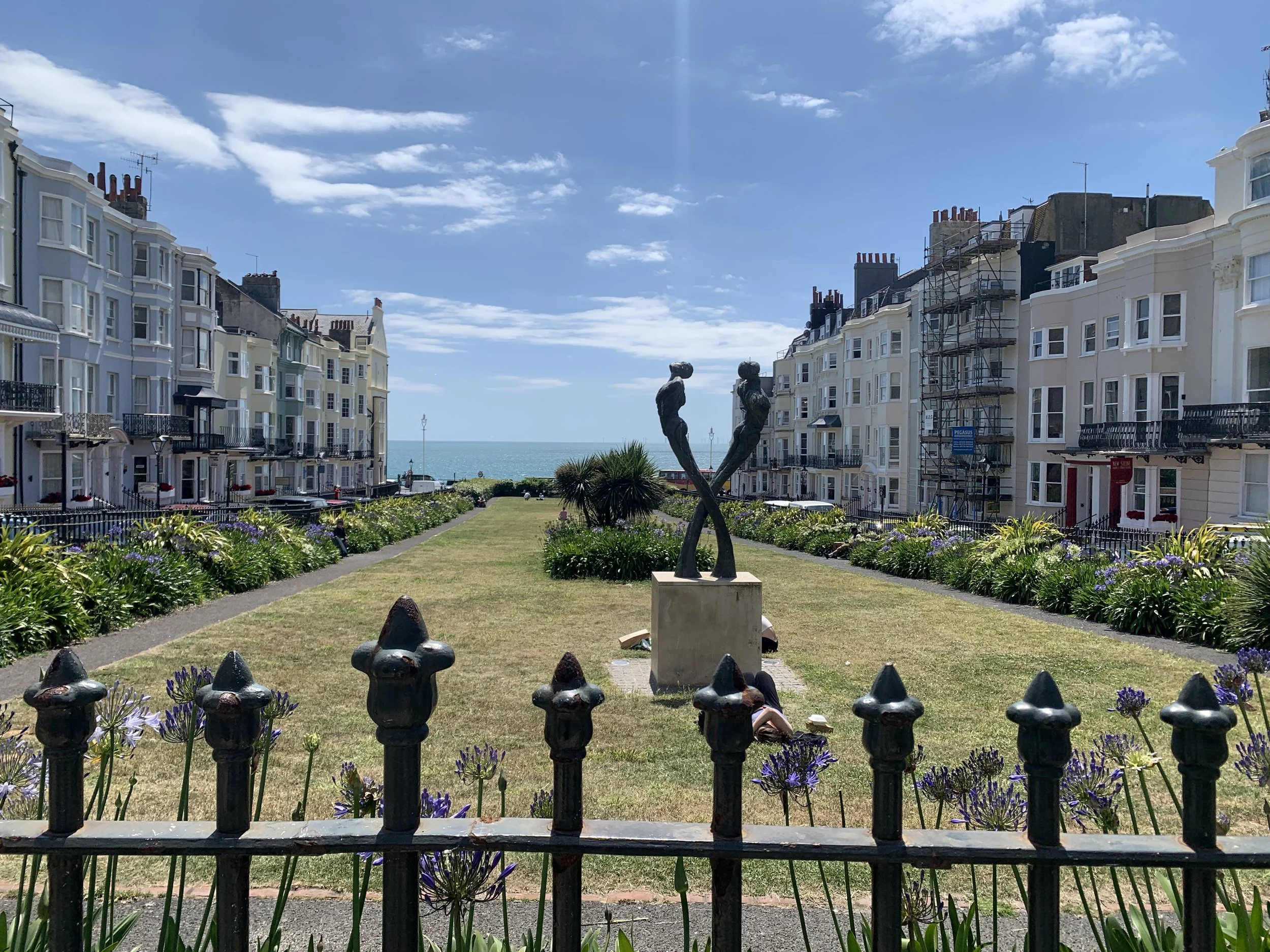
Located just west of the i360, the pebble beach gives way to massive, flat expanses of green grass known as Hove Lawns.
When the Brighton seafront gets too crowded, walk 10 minutes west. The Lawns are where locals host picnics, play five-a-side football, and enjoy a much quieter view of the English Channel. It’s the ultimate antidote to "Tourist Burnout."
Church Road: A Real Foodie Hub
While North Laine has the coffee, Church Road in Hove has the dining. This long stretch is the culinary spine of the city.
Decided Insight: If you want a world-class meal without having to fight for a table against a hen do (bachelorette party), head to Church Road. From authentic Italian bakeries to high-end seafood, this is where the city’s residents actually go on a Friday night.
The 2026 Festival Calendar: Strategic Planning
Brighton doesn't need a reason to party, but it provides plenty of them throughout the year. For the strategic traveler, these dates are the ultimate "Logistical Variables"—you either want to be right in the center of the action or as far away from the crowds as possible. If you prefer a quieter experience, knowing these peak periods is essential to avoid the "Crowd Tax" on your serenity and hotel rates. Read more for a deeper dive into Brighton’s major festivals and events.
Spring: The Athletic and Artistic Surge
Brighton Marathon Weekend (April 2026): The UK’s third-largest marathon. The city shuts down for thousands of runners. If you aren't running, the energy at the finish line on the Madeira Drive is electric.
Brighton Festival & Fringe (May 2026): May is the most culturally dense month in the city. The Brighton Festival (celebrating its 60th year in 2026) is curated and prestigious, while the Brighton Fringe is open-access and wonderfully chaotic.
The Great Escape (May 2026): The UK’s version of SXSW. Over 500 emerging artists perform in 30+ venues across the city. If you love discovering new music, this is your weekend.
Summer: The Peak Season
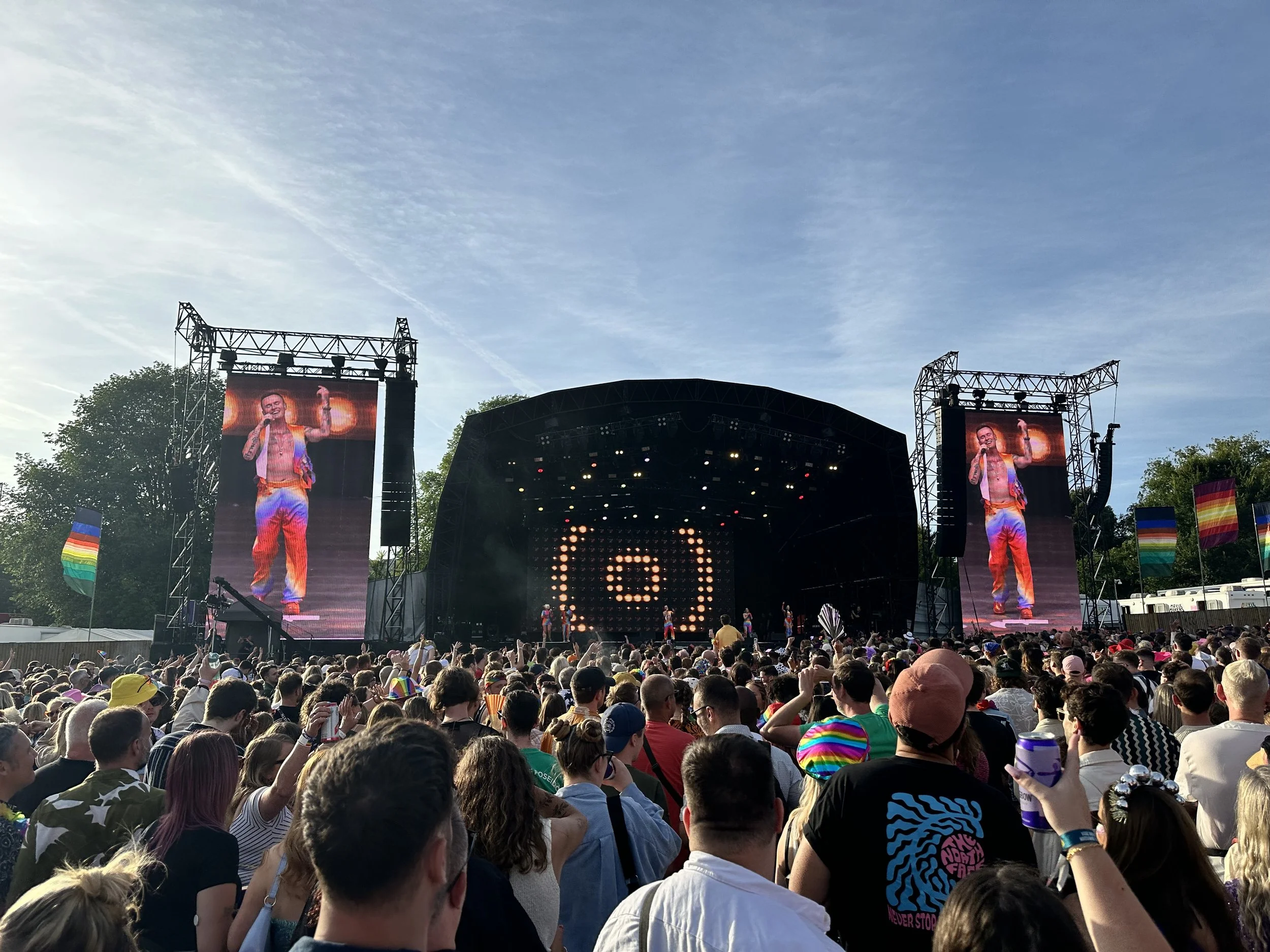
Brighton & Hove Pride (August 2026): The UK’s biggest Pride event. The 2026 headliners include the multi-award winning RAYE and the ultimate icon Diana Ross. The city transforms into a rainbow-hued sea of acceptance.
Studio note: Hotels book out 6–9 months in advance for Pride. Do not "wing it."
On The Beach: A series of weekend concerts held directly on the pebbles of Brighton’s beach. There is nothing quite like watching a DJ set by local legend Fatboy Slim as the sun sets over the English Channel.

Logistics: Parking, Accessibility, & "Time Tax"
At Decided Travel Studio, we hate "Time Taxes"—those hidden costs of poor planning.
The Parking Problem
Do not drive to Brighton. We cannot state this clearly enough. The city was built for horse-drawn carriages and fishing boats, not modern SUVs.
Cost: Seafront parking can reach £24 for 11 hours. Multi-storey car parks like Regency Square can hit £34+ for 24 hours.
Decided Insight: If you must drive, use the Withdean Park & Ride (BN1 5JD). Parking is free; you simply pay for the bus ticket into the city center. It saves you money, stress, and the inevitable headache of hunting for a spot.
Accessibility for All
Brighton prides itself on being "The City Where Everyone is Welcome," and that extends to physical access.
Public Transit: Every single Brighton & Hove bus is equipped with a ramp and "Talking Bus" audio-visual announcements.
Beach Access: The pebbles are notoriously difficult for wheelchairs. You can borrow an all-terrain beach wheelchair for free from the Seafront Office (141 King's Road Arches). It is a small detail that removes a massive barrier for travelers.
Tried-and-Tested Recommendations: Food & Drink
We do not believe in "Top 10" lists unless we have personally tested the quality. For the traveler who values their experience, these are our "Studio-Approved" spots:
The Flint House (The Lanes): Exceptional small plates and a rooftop terrace. Perfect for a sophisticated lunch that doesn't feel like a "tourist trap."
Shelter Hall (Seafront): A high-end food market featuring seven unique kitchens. It’s the perfect "Easy Button" for groups who can’t agree on what to eat. You order via a QR code, and the food comes to your table.
The Meeting Place Kitchen (Hove): Recently renovated and located right at the edge of Hove Lawns. It offers the best sea views for a morning coffee without the chaos of the central pier area.
Terre à Terre: Even if you aren't vegetarian, this is a world-class dining experience. They have been pioneering plant-based cuisine long before it was a trend.

History Brief: Why is Brighton Like This?
To truly navigate a city, you must understand its "Why." Brighton’s transformation was triggered by a 1750s wellness trend. Dr. Richard Russell published a dissertation on the medicinal use of sea water. He claimed that drinking and bathing in Brighton’s salt water could cure everything from glandular disease to melancholy.
The Prince Regent (later George IV) bought into the hype, built his pavilion, and the rest is history. Brighton became a "pleasure capital," a reputation it has guarded fiercely for over 200 years. This history of indulgence eventually morphed into the 20th-century counter-culture that defined Brighton as a sanctuary for the "outsiders."
To discover how Brighton transformed from a small fishing village into a royal escape and eventually the inclusive, vibrant city it is today, explore our full feature on Brighton's unique cultural journey.
The "Expert Friend" Final Advice
Brighton is a city of layers. You have the loud, neon energy of the Pier, the deep, curated history of the Royal Pavilion, and the sophisticated, quiet charm of the Hove seafront.
Our best advice? Don't try to do it all in four hours. Pick a "vibe"—whether it's a luxury day of antique jewelry and sparkling wine or a bohemian day of record-hunting and street art—and let the city reveal itself to you.
Follow this blueprint, and you will arrive with a plan and leave—if you did it right—with a slight headache, a camera roll full of street art, and a deep appreciation for the "Magic by the Sea."
Ready to start your journey?
Read more about the best things to do in Brighton for first-timers.
Frequently Asked Questions
-
For a focused trip, 2 days (a weekend) is perfect to see the Royal Pavilion, The Lanes, and the Pier. If you want to use Brighton as a base for the South Downs or Seven Sisters cliffs, plan for 4 days.
-
Yes, Brighton is consistently rated as one of the safest and most welcoming cities in the UK. Like any city, stay alert in the "West Street" nightlife area late at night, but generally, solo travelers (including women and LGBTQIA+ visitors) find the city very comfortable.
-
Yes. As of February 2025, all US citizens must have an approved UK ETA (Electronic Travel Authorisation) before traveling. It costs £16 and is digitally linked to your passport. Apply at least 3 days before you fly.
-
Walking is the best way to see the city centre. For longer trips to the Marina or Hove Lagoon, use the Brighton & Hove Buses (they accept contactless payment) or the BTN BikeShare scheme.
-
It is a pebble beach. While there is a small amount of sand visible at very low tide, you should bring a thick towel or rent a deckchair if you plan on lounging—those stones aren't comfortable for long!
-
Brighton is almost 100% cashless. You can use Apple Pay, Google Pay, or contactless cards everywhere from buses to tiny coffee shops. UK mobile networks are strong, but US visitors should check their roaming plans or grab an eSim.
Get ready for trip with our brighton collection



Read more guides and blueprints for brighton
Brighton’s seagulls don’t ask. They take. If you're coming to Brighton, this is your warning.
You can plan the perfect beach day.
You can pick the right spot.
You can finally relax.
None of that matters. Because the seagulls are watching. “Hang Onto Your Chips” isn’t a joke. It’s survival advice. This is for people who’ve been here before. Or people who are about to learn the hard way. Just a quiet nod to the chaos. Wear it before they take your lunch.
Studio Note on Currency: Decided Travel Studio is proudly based in the UK, and serves customers all around the world. While prices are shown in GBP (£), your local bank or credit card will handle the conversion to USD/EUR (or your local currency) automatically at checkout. Products ship from our local distribution partners closest to you for faster delivery (US/UK/EU).
Premium fit. Clean design. No fluff.
Bella + Canvas 3001 (retail fit)
Soft, lightweight feel
Designed for Brighton
Conversation starter (you’ll see)
Age restrictions: For adults
EU Warranty: 2 years
In compliance with the General Product Safety Regulation (GPSR), Decided Travel Studio and SINDEN VENTURES LIMITED ensure that all consumer products offered are safe and meet EU standards. For any product safety related inquiries or concerns, please contact our EU representative at gpsr@sindenventures.com. You can also write to us at 32 Sillwood Street, Brighton, UK, BN12PS or Markou Evgenikou 11, Mesa Geitonia, 4002, Limassol, Cyprus.